Core Team

Dr. Skyler Wang
Skyler Wang is an Assistant Professor of Sociology at McGill University and a Research Scientist at Handshake AI. Broadly, he is an AI sociologist who critically examines the inner workings and social impact of sociotechnical and AI systems. Using mixed-methods, experimental, and STS approaches, he investigates the epistemic cultures of AI and human-machine interactions in a variety of contexts. His research has two primary empirical foci. First, he examines how digital platforms—such as network hospitality, online dating, and AI companions—shape contemporary intimacy and relationships. Second, he studies the rise of expert-driven AI data production (what he calls “premium labels”), examining how domain expertise translates into training data and how this process shapes both AI advancements and the future of knowledge work.
Founding Director
Yuxin Xu
Yuxin Xu is a PhD student in the Department of Sociology at McGill University. Her research sits at the intersection of sociology and human-computer interaction (HCI), focusing on human–AI relationships, AI companionship, and conversational agents. She examines how AI technologies shape norms of intimacy across cultural contexts through a gendered lens, with a particular focus on China and North America. Using mixed-methods approaches, she investigates how AI companions are designed, socially interpreted, and integrated into everyday life, aiming to inform culturally aware and socially responsible AI design.
PhD Student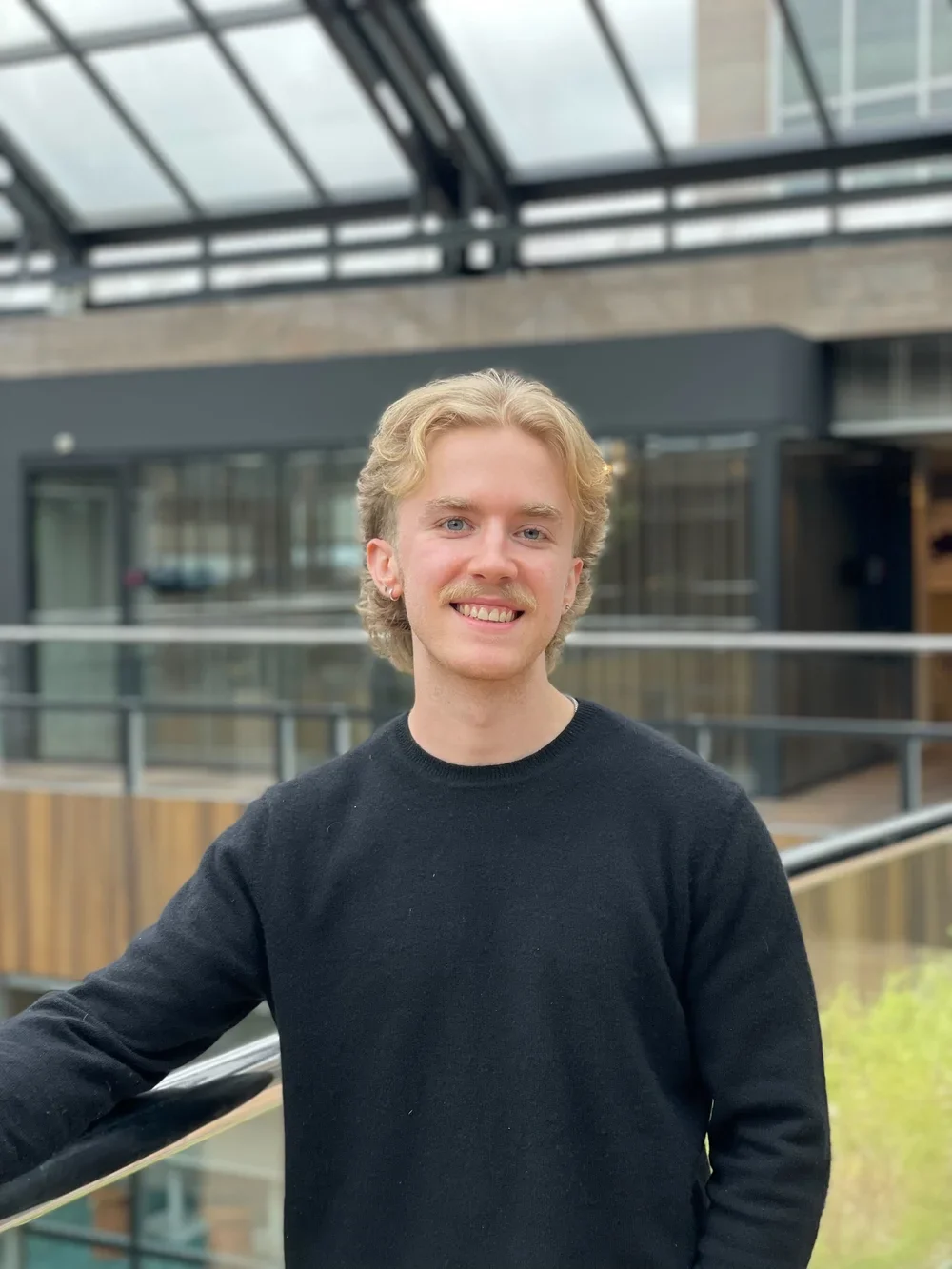
Leo Holton
MA Student & Research AssistantLeo Holton holds a Bachelor's in Cognitive Science from McGill, with a research focus on the application of AI in online learning and healthcare contexts, including an honours thesis on how machine learning models help us understand medical phenomena. After graduating in 2022, he moved to Amsterdam and worked as a consultant, implementing environmental regulations in the banking sector. He's back in Montreal now, resuming his research with the SCAI Lab. He's excited to be digging into AI's impacts on labour and relationships while zooming out to social groups to understand how benefits and harms are being distributed. Outside the lab, Leo organizes phone-free community events and volunteers with urban agriculture and meal delivery organizations.

Alina Shimizu-Jozi completed her Bachelor's degree as a Joint-honors student in Computer Science and Biology at McGill. Her interdisciplinary degree facilitated the pursuit of her research endeavours at the intersection of AI, healthcare, and society, including her most recent project at SCAI on the effect of gender concordance in AI mental health chatbots. She has also worked on projects involving the environmental impacts of AI, AI evaluation of hospitality workplace bias, and integration methods of AI into IPV care. Alina is excited to continue her research passions while travelling, volunteering at daycares, and trying new food fusions along the way.
Research AssistantAlina Shimizu-Jozi
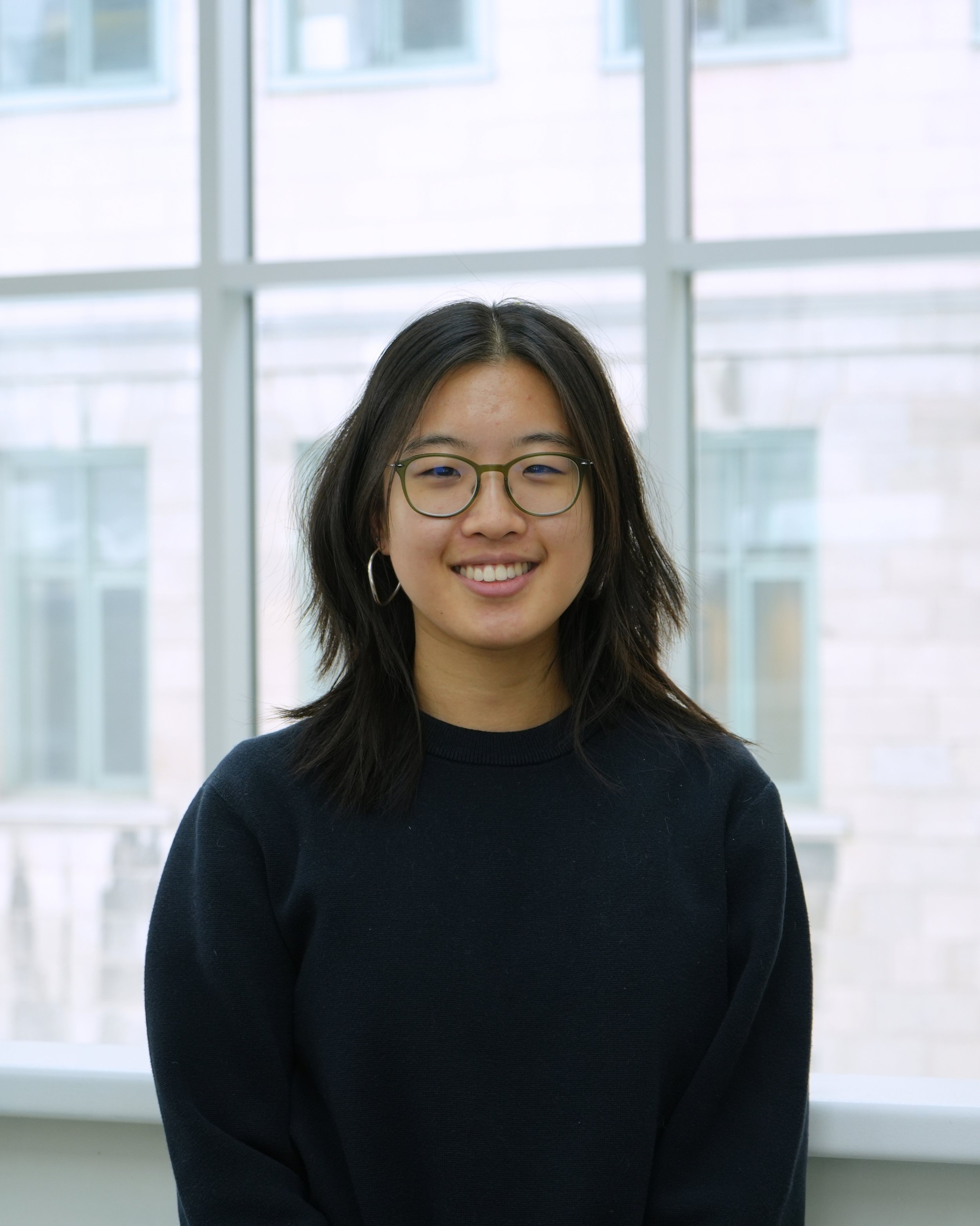
Amy Qi is a third-year undergraduate student pursuing a degree in Honors Cognitive Science at McGill University. Her research interests sit at the intersection of human-AI interaction and social behavior, with a focus on how AI systems shape interpersonal relationships. At the SCAI lab, she is exploring these topics through her honors thesis, examining how LLMs provide romantic advice and how their recommendations vary across different relational and demographic contexts. Beyond the lab, Amy has been involved in research on effort-based decision-making at The Neuro, as well as consulting through professional and student-led projects.
Honors StudentAmy Qi

Gabrielle Merkley is a fourth-year undergraduate pursuing an Honors Cognitive Science degree with a concentration in Computer Science at McGill. Her Honors thesis in the SCAI Lab investigates how patients' use of AI mental health tools shapes their subsequent interactions with therapists. She is also currently working as a product management intern and has past experience in consulting and research. Beyond the lab, Gabrielle enjoys running, skiing, and yoga.
Honors StudentGabrielle Merkley
Affiliates
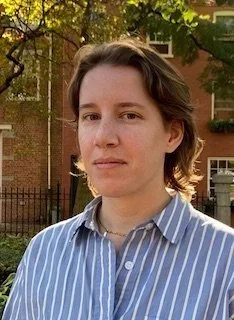
Dr. Margaret Eby
Postdoctoral Fellow, UPennMargaret Eby is a medical sociologist and bioethicist whose work investigates how ethical challenges shape the development of policy and practice, from the rise of medical eugenics in the early 20th century to the growing use of AI in genomics research. Currently a Fellow in the Ethical, Legal, and Social Implications (ELSI) of Genetics and Genomics, Margaret’s research links the history of medical ethics to the present by examining how emerging genetic and genomic technologies gain legitimacy and how dissent is organized in response. Her work has been published in Social Science & Medicine, Work and Occupations, PLOS One, and Globalization and Health.
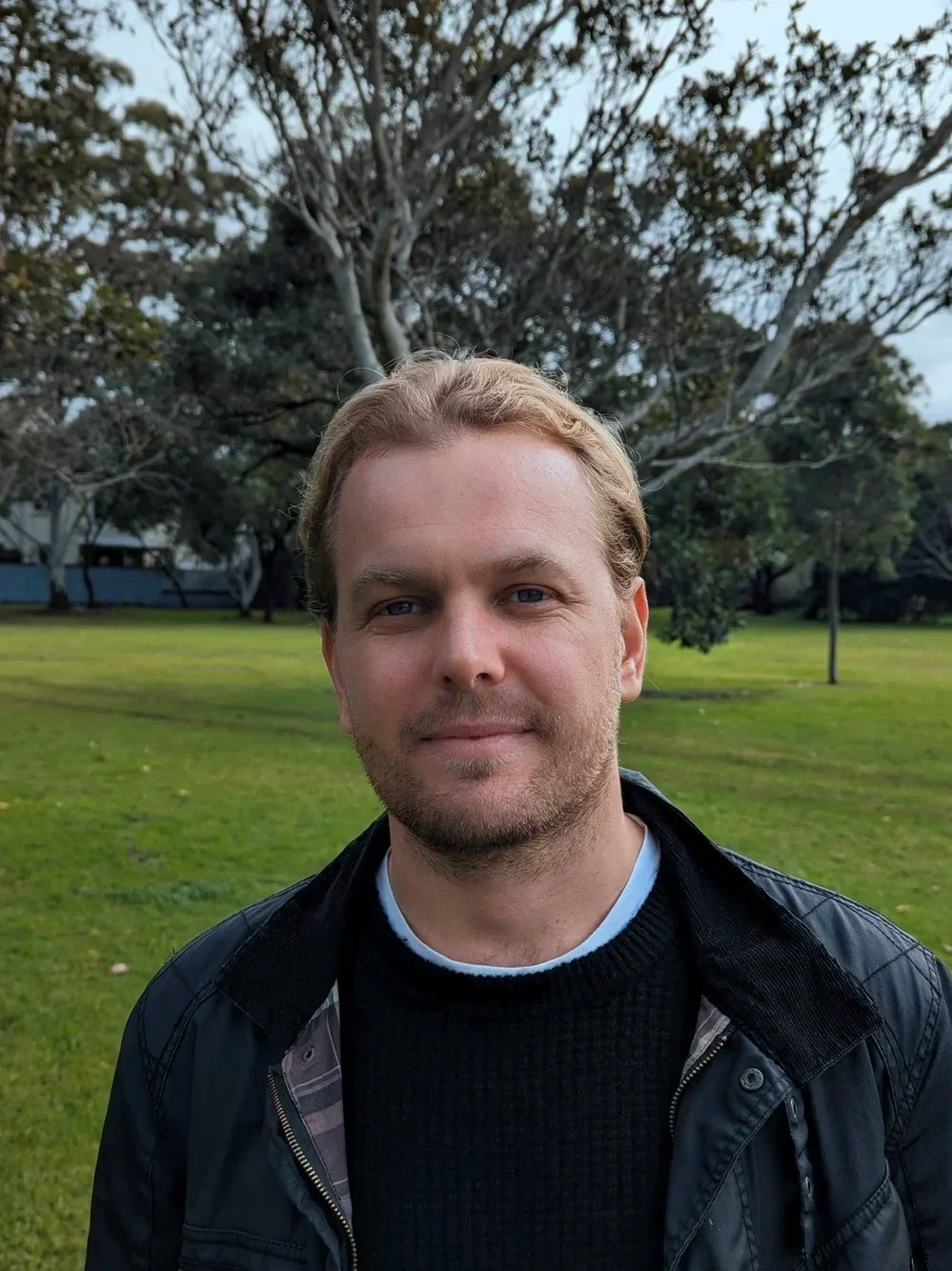
Dr. Ned Cooper
Postdoctoral Fellow, CornellNed Cooper is a human-computer interaction researcher and lawyer. He designs and studies AI systems and their governance. His research spans participatory machine learning, speech technologies for underserved languages, AI for mental well-being, and emerging risks in large language models. Drawing on his background in strategy consulting and human rights law, he is interested in how AI systems can be designed and regulated simultaneously, treating design choices and policy guardrails as inseparable. His work has been published in CHI, FAccT, COLM, ACL, and Big Data & Society.

Jean Maillard is a Research Scientist at Meta Fundamental AI Research (FAIR) working on open-source multilingual language technologies, including machine translation and speech recognition, with a strong focus on underserved languages. He has contributed to projects such as No Language Left Behind, the first machine translation system to surpass the 200-language barrier; Seamless Communication, a speech- and text-translation model covering 100 languages; and Omnilingual ASR, a foundational speech recognition model supporting over 1,600 languages. He earned his PhD in Natural Language Processing at the University of Cambridge under the supervision of Dr. Stephen Clark. Outside of work, he serves on the Council for Ligurian Linguistic Heritage, a cultural association dedicated to the preservation of his native Ligurian language.
Research Scientist, MetaDr. Jean Maillard
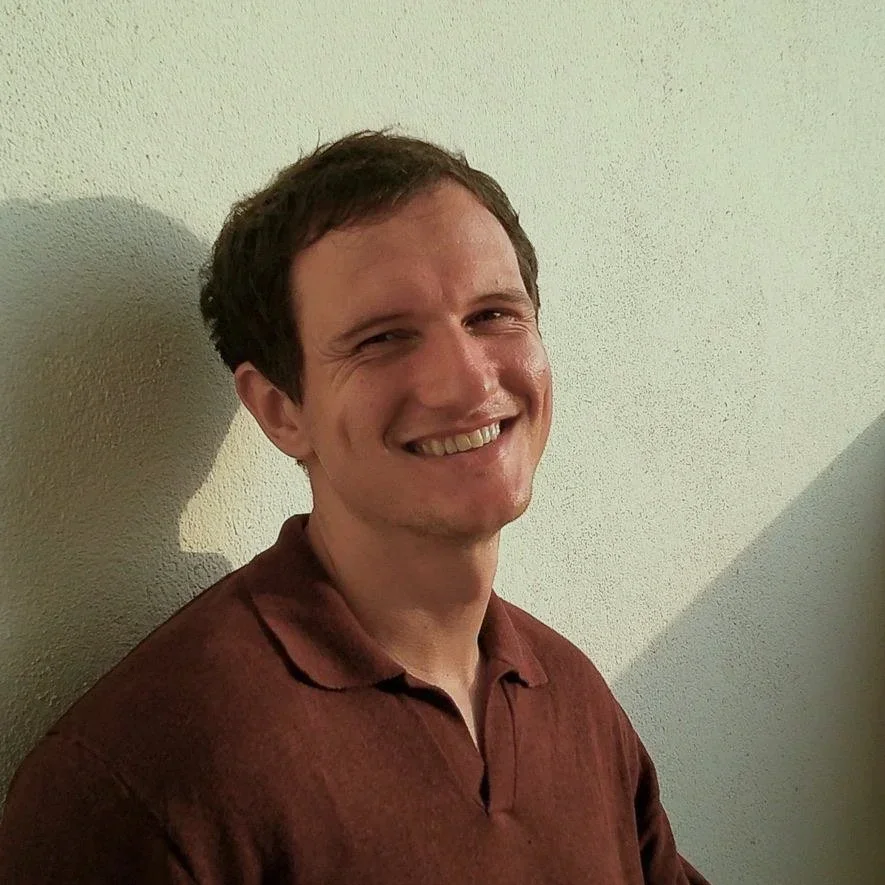
Onno Kampman is an AI and cognitive scientist leading AI initiatives at mindline.sg, Singapore's national first stop touch point for mental health, at the MOH Office for Healthcare Transformation. His work explores how AI can support the scale, access, and quality of our mental health care ecosystems. Onno collaborates with a range of stakeholders to translate mental health and AI research into practice. He is an adjunct lecturer on AI in healthcare at the National University of Singapore. His work has been published in NeurIPS, ICML, ICLR, ACL, EMNLP, Imaging Neuroscience, and BMJ Open.
Head of AI for Mindline.SGDr. Onno Kampman

Leigh Levinson is a PhD Candidate at Indiana University with a background in development psychology, data science, informatics, and cognitive science. She is a human-robot interaction researcher who specializes in interdisciplinary and mixed-method approaches to understanding people’s, and especially children’s, relationships with emergent technologies. Her human-centered and value-sensitive approach to the design and evaluation of technologies further promotes a critical, yet creative stance on innovation.
Postdoctoral Fellow, University of Illinois Urbana-ChampaignLeigh Levinson
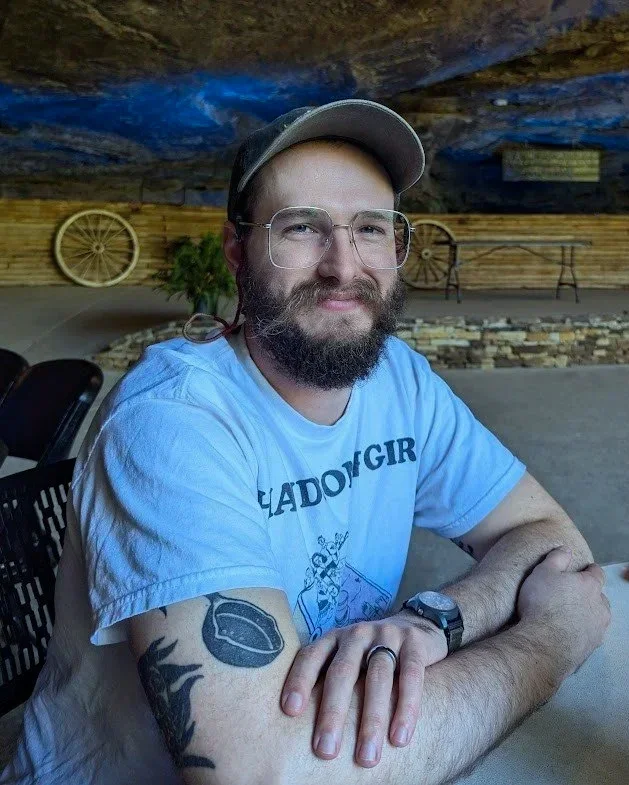
David Heath is a PhD student in Experimental Psychology at the University of Memphis and holds an MA in Linguistics from the University of Montana. His research draws on psycholinguistics, linguistic anthropology, semiotics, dynamical systems, and ecological psychology to examine how structural constraints in our physical and social environments influence language processing and use, interpersonal coordination, and human-AI interaction.
PhD Student, University of MemphisDavid Heath

Isabella Luppi is an Honors Sociology graduate from McGill University and a researcher affiliated with the Social-Centered AI (SCAI) Lab and the Neighborhoods to Neurons (N2N) Research Lab. Her research interests lie at the intersection of technology, communication, and society, with a particular focus on human-AI interaction, digital intimacy, and the social implications of emerging technologies. She is especially interested in how generative AI is reshaping interpersonal relationships, communication practices, and experiences of authenticity. Through her work, Isabella explores the ways individuals integrate AI into their social and emotional lives and how these technologies influence broader patterns of human behavior. She is committed to using qualitative and interdisciplinary approaches to better understand the societal impacts of rapidly evolving digital technologies.
Research AffiliateIsabella Luppi

Valerie A. Lapointe is a PhD candidate in psychology at the Université du Québec à Montréal. Her research examines the societal implications at the intersection of artificial intelligence and human intimacy. Specifically, her work focuses on two threads: the ethical, governance, and social challenges raised by AI-generated pornography, and the psychological and relational impacts of human-AI relationships. Across both domains, her research aims to inform evidence-based approaches to the responsible development, governance, and use of generative AI.
PhD Candidate, UQAMValerie A. Lapointe
Alumni

Camille Istanboulian received a Joint Honors degree in Sociology and Philosophy at McGill. She is particularly interested in how human-AI interactions shape users' offline attitudes and behaviors. She has had the opportunity to nurture this interest through her work on the SCAI lab's project on human-AI companionship, as well as through her honors thesis on users' interactions with digital health and their subsequent impacts on users' orientations towards formal healthcare. Beyond the lab, Camille has been involved in policy-oriented research through McGill's Department of Equity, Ethics, and Policy, where she contributed to an ongoing project evaluating the role of law, and litigation more specifically, as a lever for social change and improved health governance.
Research AssistantCamille Istanboulian

Tyler Brosseau received his B.A. in Psychology at McGill University. His research interests are at the intersection of social cognition and human-AI interaction, with a focus on human-AI intimacy. He is particularly interested in the psychological processes underlying how intimate relationships with AI form and are maintained, and in the bidirectional relationship between AI use and users’ offline behaviors, individual differences, and mental health. He explored these questions through the SCAI Lab’s project on human-AI companionship and through interview-based qualitative research on human-AI intimate relationships at the Canada Research Chair on Digital Regulation at Work and in Life. Tyler is committed to developing a multidisciplinary understanding of human-AI interaction that can inform evidence-based policy and better protect vulnerable populations.
Research AssistantTyler Brosseau

Jake Neuffer earned his BA in Social Sciences and German Studies from Wesleyan University in 2023. There, he developed an interest in the ways information technologies unsettle and reconstitute social practices. This culminated in his undergraduate thesis, a historical study of the relationship between data collection, mass media, and profit. After graduating, he worked as a paralegal in New York City and, in his free time, further explored these themes in public writing. J
Research Assistant